Key Takeaways:
- Consumers trust brands that deliver the same experience across stores and regions.
- Loyalty management systems help align field sales, distributors, and retail execution.
- When loyalty connects with daily sales activity, trust and long-term growth follow.
What Is Brand Loyalty and How Do Loyalty Management Systems Build Consumer Trust?
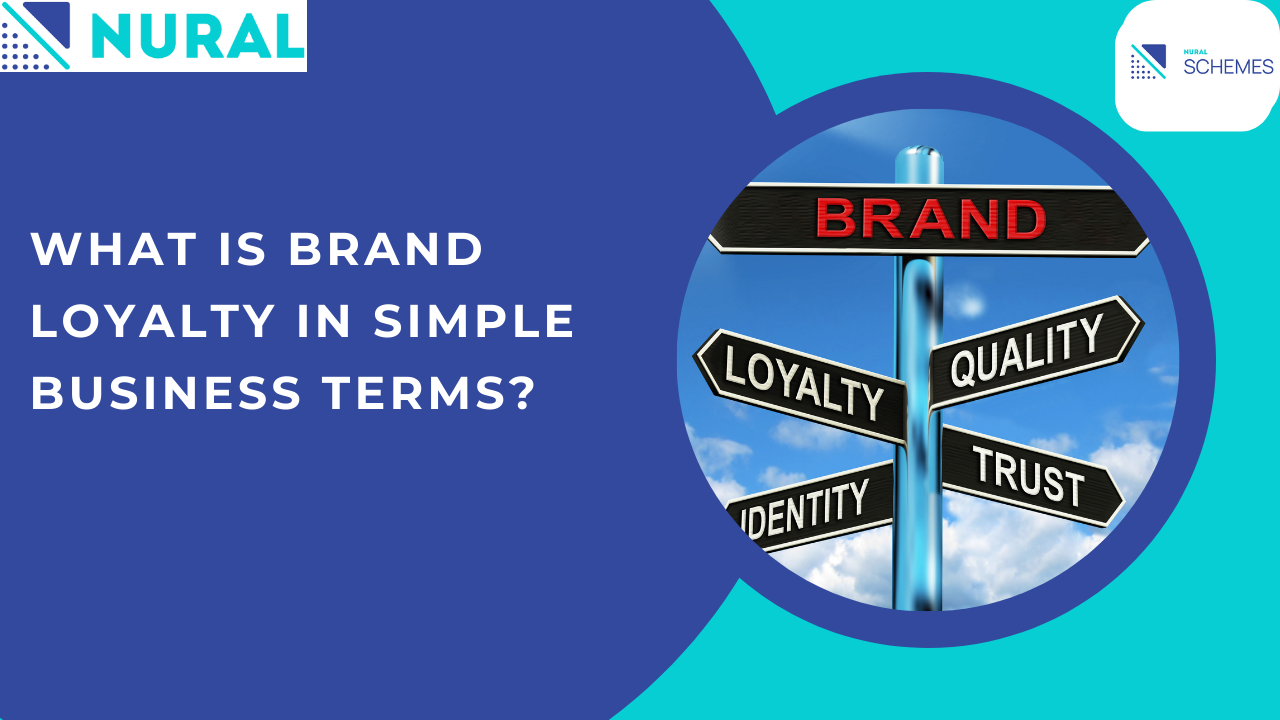
What Is Brand Loyalty in Simple Business Terms?
Brand loyalty means customers keep choosing the same brand every time. They trust it and feel confident about buying it again. For business leaders, loyalty is not an emotional idea. It leads to steady revenue and stable demand. Furthermore, it reduces the need for frequent discounts. In markets where products are similar, loyalty helps brands stand out and protect margins.
Why Is Brand Loyalty Difficult to Build in FMCG Businesses?
Building loyalty in FMCG is challenging because brands work through many layers. Products move from companies to distributors, then to retailers, and finally to consumers. Each step affects the customer’s experience.
For example, imagine Rohit purchases ABC cooking oil every month. In one store, ABC is available and well displayed. In another nearby store, it is often out of stock or priced differently. Rohit doubts the brand, even though the product quality has not changed. Over time, this inconsistency weakens trust.
Many loyalty programs in FMCG fail because execution on the ground does not match planning at the head office.
How Do Loyalty Management Systems Help Create Consistency?
A loyalty management system brings structure to loyalty programs. It sets clear rules and removes confusion. Everyone knows what actions earn rewards and when rewards apply.
For instance, suppose Marina, a distributor, knows that reaching a monthly target earns a defined incentive. Ronak, a retailer, knows which products to promote. Meanwhile, Parin, a field sales executive, sees the same rules on a mobile app during every visit. This clarity reduces disputes and improves participation. Sales execution becomes more consistent across regions when partners trust the system.
How Does Field Sales Execution Affect Consumer Trust?
Field sales teams connect planning with reality. Their actions shape how loyalty is delivered at the store level.
Imagine Neel, a sales representative, visits a retail outlet with clear scheme details and the ability to place orders digitally. The retailer receives the correct information. Furthermore, stock arrives on time, and the promotion runs as planned. Managers can track activity without repeated calls. When this happens regularly, customers see stable pricing and offers. That stability builds trust over time.
Why Does the Retail Experience Matter So Much?
The final buying decision happens inside the store. Customers notice small details. Clean shelves, clear pricing, and easy product access matter.
For example, imagine Rhea enters store XYZ looking for a familiar snack brand. If the product is visible and available, the purchase feels simple. Once, when she couldn’t find the snack, Rhea tried another brand. When this happens often, loyalty fades. A structured retail system helps keep products available and properly displayed.
How Can Loyalty Become a Long-Term Business Advantage?
Brand loyalty depends on consistent execution across the distribution network. Furthermore, it depends on how well distributors and retailers are aligned with brand goals. Loyalty programs offer real value when connected with daily sales and distribution work.
Nural Sales Force Automation and Loyalty
Management Software brings structure to field sales and loyalty, helping businesses build trust through consistent execution.
We’d Love To Hear From You!
Drive Business Growth with Nuraltech
Empower your sales, distribution & analytics with data-driven SaaS solutions.
Schedule a Demo